The Takeoff Material
Compare assemblies, not brochures
Material is the part of a quote homeowners feel most qualified to judge and the part most often described in adjectives. Two quotes naming different shingles are only comparable if both write down the underlayment, the ice barrier, the starter, the cap and the fastener pattern. Here are the properties, and here is the list to demand.
Ask for the assembly rather than the brand, because the assembly is what you are buying. Keys Roofing installs Atlas and Malarkey. That is the whole list, and it is stated here so that nothing on this page reads as a neutral survey of the market. What follows is about categories of asphalt shingle rather than about brands, because the category is what changes the arithmetic.
Three tab and architectural
A three tab shingle is a single flat layer, cut with two slots so it reads as three tabs on the roof. It is lighter, thinner, cheaper to make and it lies flat, so a finished three tab roof has a smooth even surface with a strong horizontal line. It is the surface on most of the older roofs in this city.
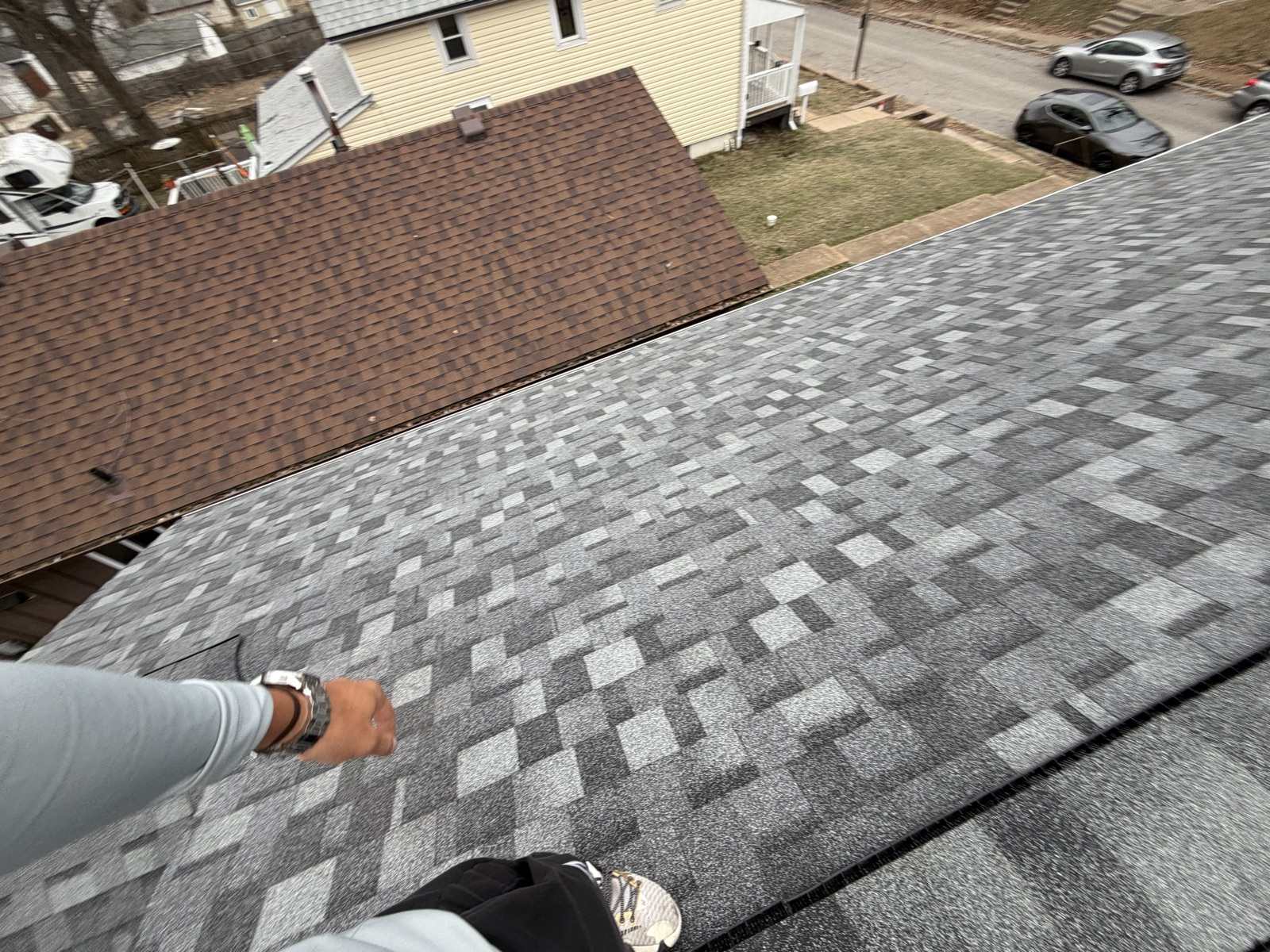
An architectural or dimensional shingle is built up from more than one layer laminated together. It is heavier per square, it has depth and a broken shadow line, and it is more tolerant of a deck that is not perfectly flat, because the surface is deliberately irregular. The extra weight is the point rather than a side effect: more asphalt per square foot is more material between the weather and your decking.
Impact resistant material
Impact resistant shingles are tested by dropping steel balls of specified sizes onto them from specified heights, under the UL 2218 standard. Class 4 is the highest of the four classes and requires the sample to survive a two inch ball without cracking the mat. Manufacturers get there by different routes, generally a modified asphalt with more elastomeric content, sometimes with a reinforcing scrim on the back.
It costs more, both in material and often in handling, and in a metropolitan area that logged one hundred and twenty five hail reports in St. Louis County alone between 2020 and 2025, with a maximum recorded stone of two and a half inches and an average of just over an inch and a quarter, that is not an abstract discussion. Those counts come from the NOAA storm events record and they are counts of logged reports rather than of insured losses, so they track population and reporting density as well as weather.
There is a separate reason to consider it, and it belongs to your insurer rather than to any roofer. Some carriers offer a premium credit for a roof built with Class 4 material. Whether yours does, how much it is, and what documentation it wants are questions for the company that writes your policy. That subject has its own page here, and the short version is that the only person who can answer it is your carrier.
What goes underneath
The shingle is the visible layer of an assembly, and the layers below it are where estimates diverge quietly.
- Underlayment. Either traditional felt or a synthetic sheet. Synthetics are lighter, tear less, and hold up better if the roof is open overnight in weather.
- Ice and water barrier. A self adhering membrane that seals around fasteners. It belongs in valleys, around penetrations and along eaves where ice can dam. How much of it is included is a real cost difference between two quotes.
- Starter course. A purpose made strip at eaves and rakes with the adhesive in the right place. Some roofs get field shingles cut down instead, which puts the sealant strip in the wrong position.
- Drip edge. Metal at the eave and rake that carries water into the gutter instead of behind it.
- Fasteners. Length and pattern matter, particularly on plank decking where a nail can land in a gap.
- Ridge cap. Purpose made cap shingles or field shingles cut into three. Not the same product and not the same lifespan.
Colour is not a cost variable, but it is a decision
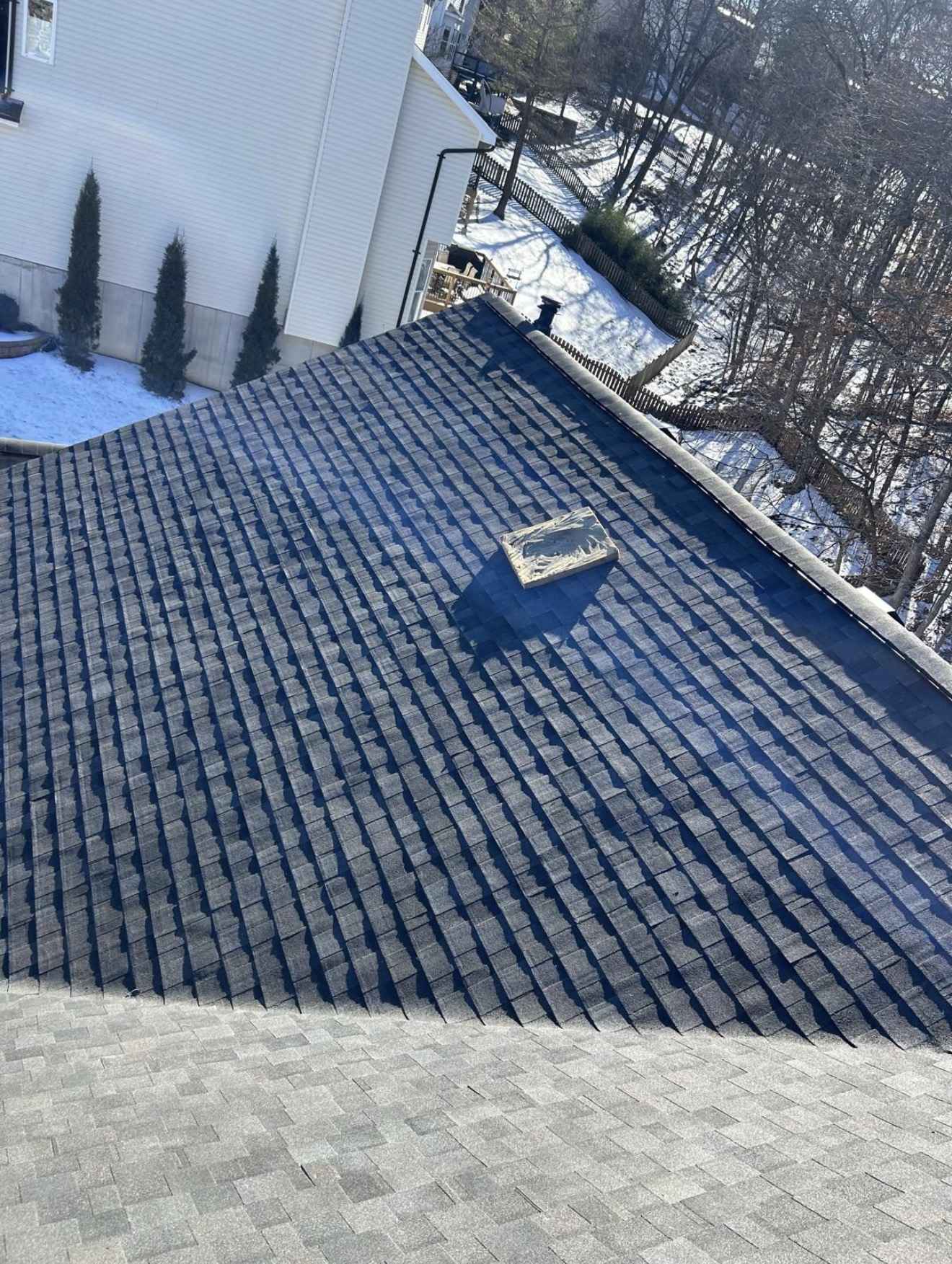
Within a given product line, colour rarely changes the price. It changes two other things. It changes how a roof looks against brick or siding for the next couple of decades, which matters more to most people than they expect. And a very dark blend runs hotter in a St. Louis July, which is a ventilation question rather than a shingle question, and is one more reason the intake and exhaust discussion on the detail page is not an upsell.
The comparison that actually tells you something
Not brand against brand. Assembly against assembly. Ask both companies for the exact product name, the underlayment type, where the ice barrier goes and how much of it, what the starter and the ridge cap are, and the fastener pattern. Two quotes that agree on all of that are genuinely comparable. Two quotes that both say "quality shingles, professionally installed" have told you nothing, and the cheaper one is not necessarily cheaper.
Assembly, not adjectives
Get the whole assembly written down, deck to cap
Exact shingle, underlayment, where the ice barrier runs, starter course, hip and ridge cap, fastener pattern and nailing line. Keys writes every layer of it into the scope, which is the only thing that makes two quotes genuinely comparable. Atlas and Malarkey are what goes on the roof, and the product name is on the document before you decide anything.
If you would rather talk it through, this is the office line and not a call centre.
(314) 220-2333Keys Roofing, greater St. Louis